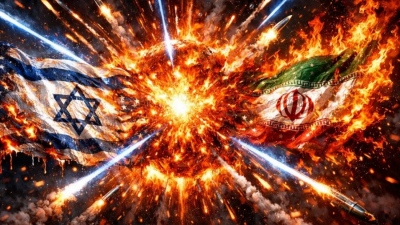
Amid a global energy panic, Iranian MP Somayeh Rafiei stated to the Iranian Students’ News Agency (ISNA) on Saturday 21 March 2026 that her colleagues are considering a plan to impose tolls on ships passing through the Strait of Hormuz, which Iran has blocked, causing a blockage in international shipping since the beginning of the “Operation Epic Rage” of the United States and Israel.
“We in parliament are promoting a plan according to which countries will pay tolls and taxes to the Islamic Republic if the Strait of Hormuz is used as a safe route for transit, energy and food security,” Rafiei stated to ISNA.
“The security of the strait will be ensured with power and stability by the Islamic Republic of Iran, and countries must pay compensation,” she said.
This plan followed the statement of the Speaker of Parliament Mohammad Bagher Ghalibaf, who stated that the Strait of Hormuz “will not return to its pre-war condition”.
The South China Morning Post reported on Friday (20/3) that Iran “is implementing inspection procedures and high transit fees” for ships seeking safe passage through the Strait of Hormuz.
Meanwhile, the International Maritime Organization (IMO) is trying to create a “safe shipping framework” to remove commercial vessels that have been trapped in the Persian Gulf due to the blockade of the strait.
“I am ready to immediately start negotiations to create a humanitarian corridor to remove all ships and seafarers who have been trapped,” said the Secretary-General of the IMO, Arsenio Dominguez, at a special session on Thursday (19/3).
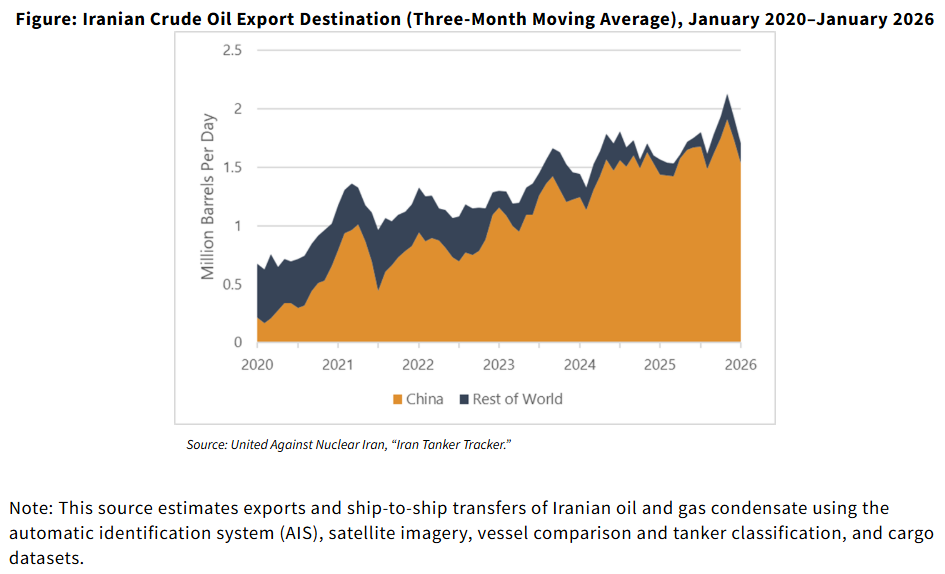
Heavy consequences for China
At the same time, China, the world’s largest energy importer, will suffer the greatest consequences from the surge in oil and natural gas prices in the event of a war with Iran, and in this context the surge in prices for other energy destinations will be an indirect gift to China, but also an incentive to exert pressure on the United States.
According to an analysis by Tasnim News Agency, as geopolitical tensions in the Middle East increase, analysts are focusing more than ever on the economic impacts of this crisis on the world’s largest economies. Among them, China, as the world’s largest energy importer, is at greater risk.
According to data from international energy organizations, China imports approximately 11 to 12 million barrels of crude oil daily and has covered more than 70% of its oil needs through imports in recent years.
This high dependence means that any disruption in supply or increase in oil prices will immediately lead to increased production costs and inflationary pressures in the country.
It is worth noting that a significant portion of China’s oil imports comes from the Persian Gulf region and passes through the Strait of Hormuz, a corridor through which approximately 20% of global oil trade passes.
Any disturbance along this route could seriously disrupt China’s energy supply chain.
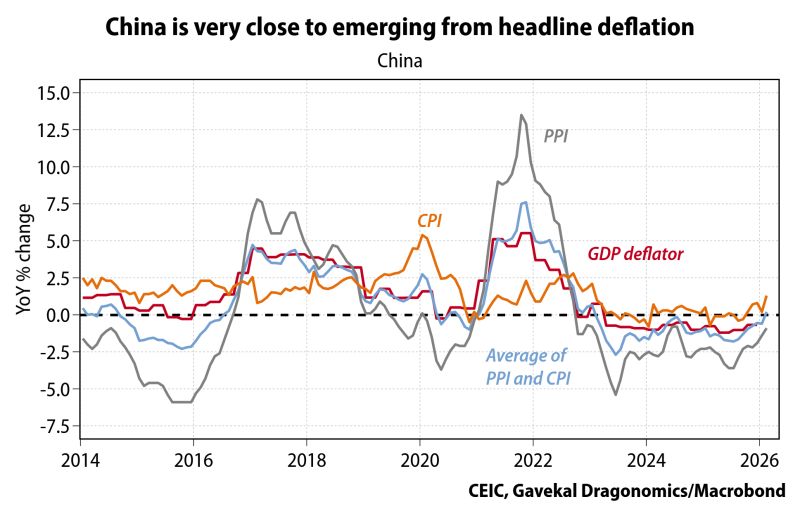
Immediate impact on China’s economic growth
Economists argue that increases in oil prices traditionally harm economies that import energy and benefit exporting ones.
In this context, China, as a net importer, is affected by price increases.
According to estimates that every increase of 10 dollars in the price of oil can reduce China’s economic growth by 0.2–0.4%, an issue that becomes particularly important under current conditions and the slowdown of the country’s growth rate.
In 2025, China’s GDP is estimated at 18–19 trillion dollars, while the growth of the economy has slowed to 4–5%, a rate that constitutes a significant reduction compared to previous decades.

Natural gas and raw materials market: double pressure on Beijing
Rising tensions in the Middle East are not limited only to the oil market, but could also increase prices of natural gas, petrochemicals and other commodities.
China, as the world’s largest importer of liquefied natural gas (LNG), imports tens of millions of tons of LNG annually.
Increases in gas prices raise production costs in energy-intensive industries and reduce the competitiveness of the country’s exports.
At the same time, rising commodity prices, from basic metals to industrial raw materials, could reduce the profit margins of Chinese industries and disrupt the global production chain.
China – United States economic confrontation under the shadow of the energy crisis
These developments come as the economic confrontation between China and the United States has intensified in recent years.
The GDP of the United States is currently estimated at around 26-27 trillion dollars, while the growth of China in recent decades has narrowed the gap.
In this context, some analysts believe that increased uncertainty in energy markets and price increases could indirectly harm China and benefit economies with lower dependence on energy imports.
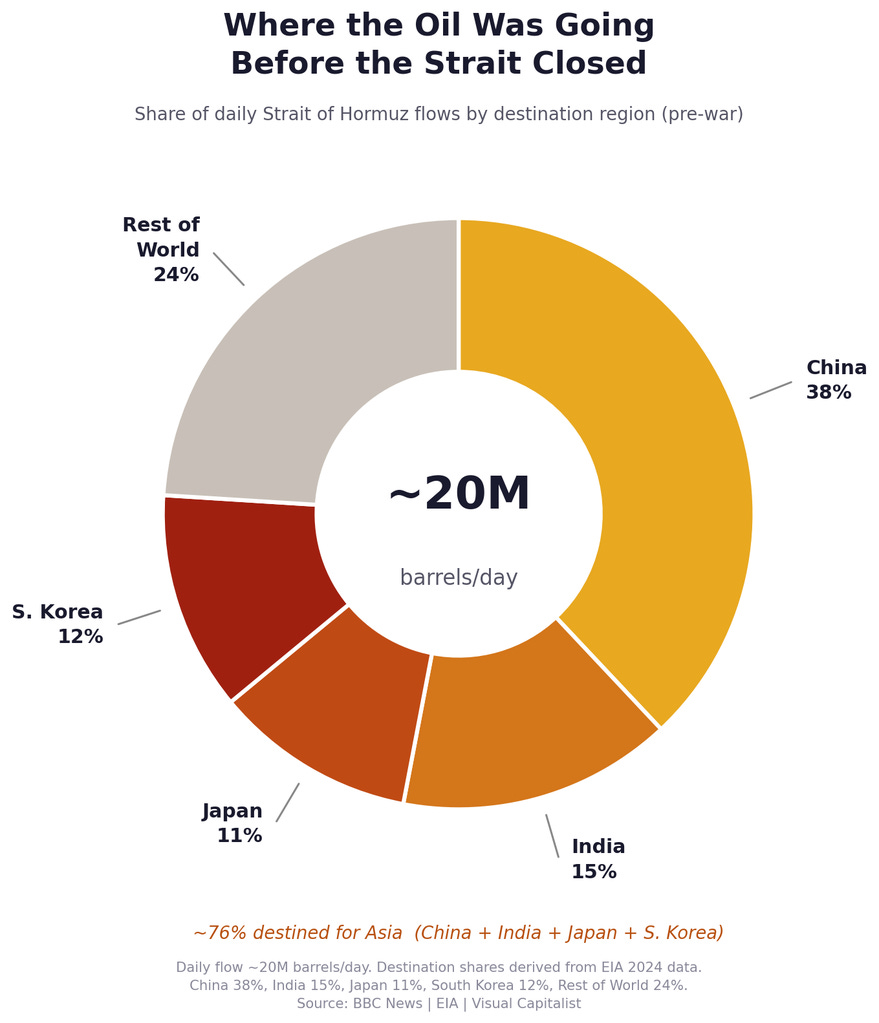
The legal framework
The straits are governed by the 1982 United Nations Convention on the Law of the Sea (UNCLOS), which guarantees the right of passage for all ships and aircraft through this vital maritime route, even in wartime.
UNCLOS has long been in an even more ambiguous state than what is usually considered “international law”, as it has been accepted or signed but not ratified by various states, including both the United States and Iran. Most of the international community treats it seriously, but hostile powers such as Iran have violated it in the past, with the most characteristic case being China, which ignored an arbitral tribunal decision in 2016 and used force to claim the South China Sea.
There is no recognized rule of international law that gives Iran the right to attack civilian ships in the Strait of Hormuz or to impose taxes and tolls on them. The two states bordering the strait from the south, Oman and the United Arab Emirates, also do not have the right to control this vital maritime route. Iran also has no legal right to place mines in the strait, something it has repeatedly threatened to do over the years.
Iran has attempted in some way to bypass these legal aspects by claiming that its attacks target only ships belonging to the military of its enemies, the United States and Israel, but of course “international law” tends to become ambiguous in conditions of conflict.
www.bankingnews.gr





Σχόλια αναγνωστών